When Should You Call a Tree Surgeon? Clear Signs Your Tree Needs Professional Care
Trees add character, shade, and value to your property. They also carry risks if they become unstable or diseased. Knowing when to call a qualified tree surgeon can protect people, buildings, and budgets.
In this guide, you’ll learn the red flags to watch for, what a professional tree surgeon actually does, and how a BS3998-aligned approach keeps your trees safe and healthy across the Midlands.
Clear Signs Your Tree Needs Professional Attention
Act early if you notice any of the following. A prompt inspection and risk assessment usually costs far less than emergency work after failure.
Deadwood and hanging limbs. Large, dry branches that snap easily or hang in the canopy are a hazard. Deadwood can fall without warning, even in calm weather.
Fungal brackets and decay. Fruiting bodies on the trunk or at the base often indicate internal decay. Common signs include bracket fungi, hollow sounds when you tap the trunk, and crumbly wood around wounds.
Sudden lean or shifting posture. A new lean, or a lean that is increasing, suggests root or soil failure. Trees that were upright last season but now lean need urgent assessment.
Heaving or cracked soil at the base. Soil lifting, fresh cracks, or gaps around the root plate can signal instability. Check after high winds or prolonged rain.
Storm damage. Split unions, torn branches, and bark cracks weaken the tree’s structure. Storm-struck trees can fail later even if they look stable at a glance.
Dieback in the crown. Thinning foliage, dead tips, or sparse leaves point to stress, pests, or disease. Early pruning and care can often recover the canopy if handled correctly.
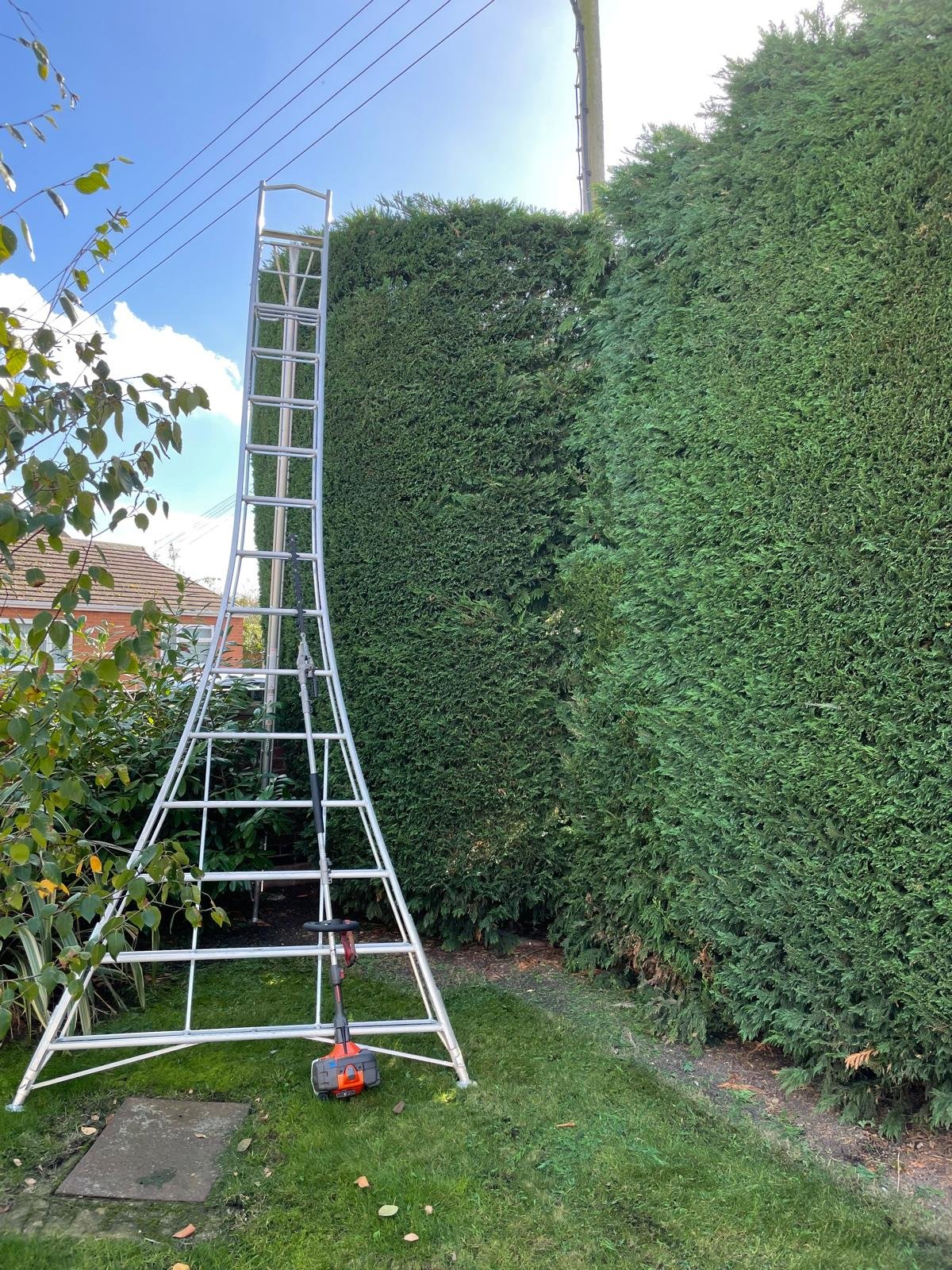
Conflicts with structures or services. Branches touching roofs, gutters, or power lines raise safety and liability issues. Roots lifting paving or threatening foundations also need attention.
Subsidence concerns. Clay soils and thirsty species near buildings can interact with foundations. If you see new cracks in walls or doors sticking, pair a structural check with a tree survey.
If any of these apply, do not delay. A professional will diagnose the cause, set priorities, and recommend safe, proportionate action.
When to Call a Tree Surgeon
Call a tree surgeon as soon as risk is suspected, not only after failure. Good triggers include:
- Visible hazards such as deadwood, storm damage, or a new lean
- Planned building work near trees
- Changes in tree health, such as sudden dieback or reduced leaf size
- Neighbour disputes or boundary issues where impartial advice is needed
- Annual or biannual maintenance checks for larger specimens or high footfall sites
Early involvement reduces risk and cost, and it helps you plan work around nesting seasons and local permissions.
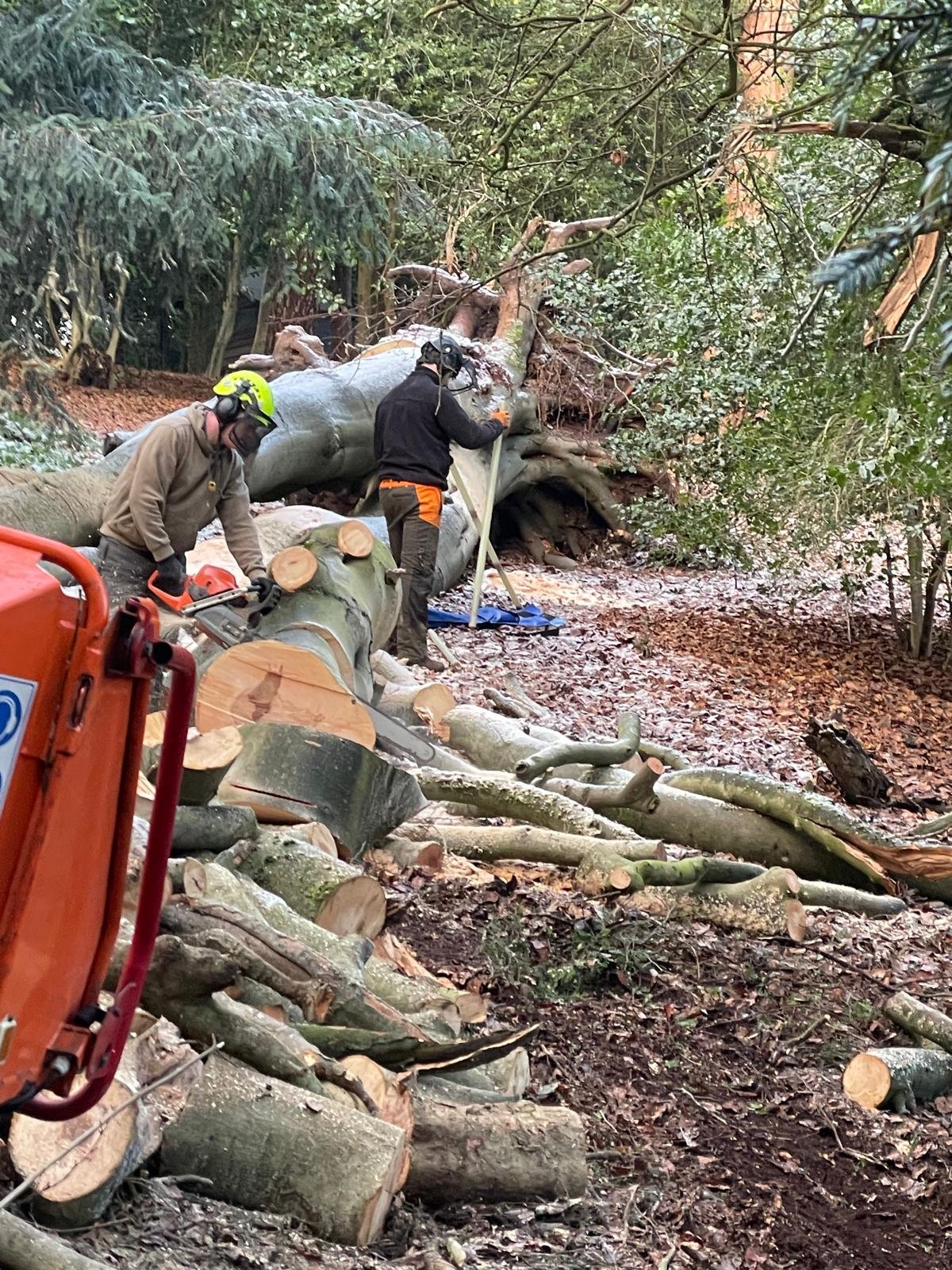
What a Tree Surgeon Does on Site
A qualified arborist will begin with a visual tree assessment and a site risk assessment. Expect:
- Identification of species, age class, and condition
- Checks for decay, defects, and structural weaknesses
- Consideration of targets, such as buildings, paths, roads, and utilities
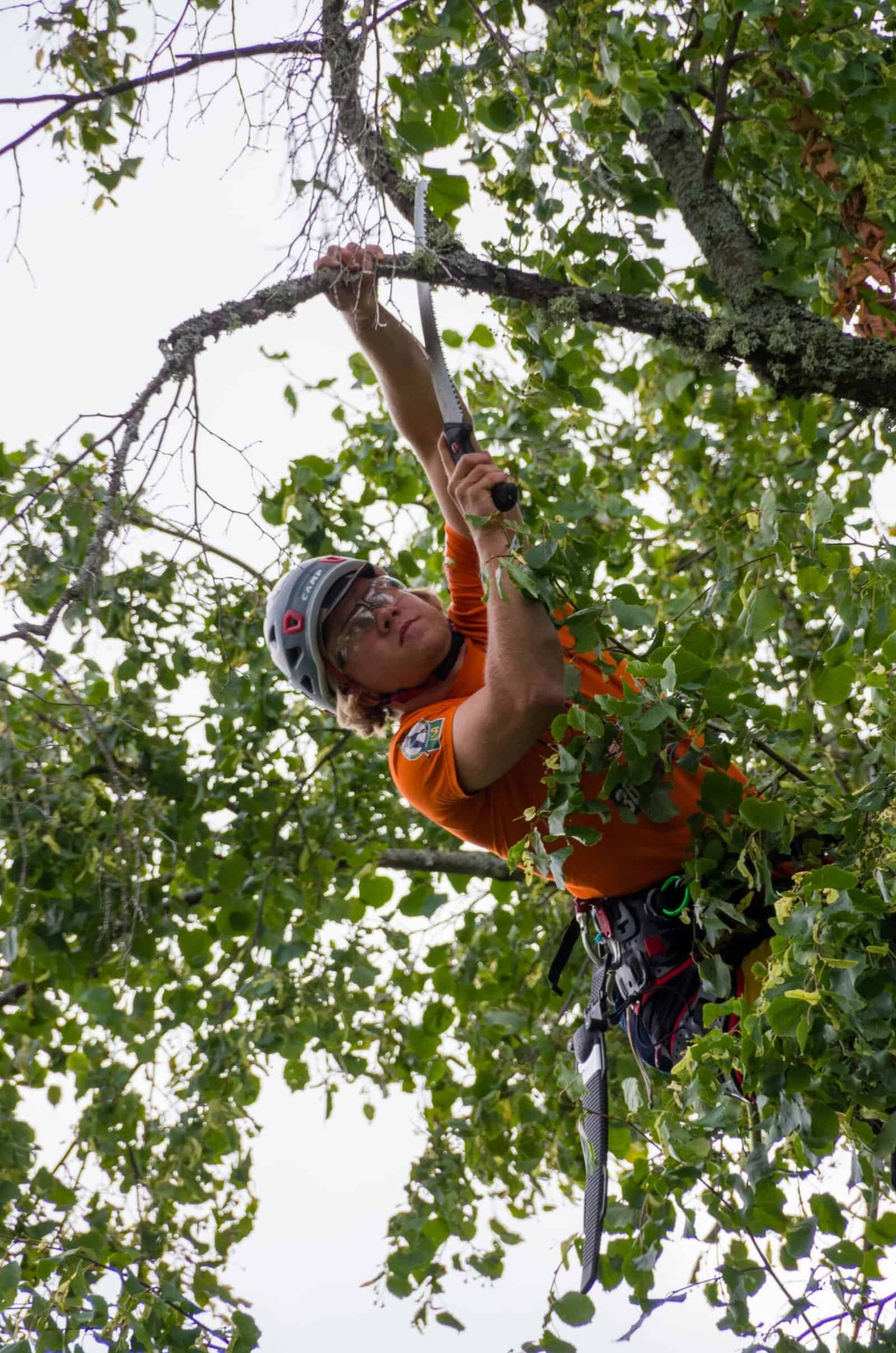
- BS3998-aligned recommendations that may include pruning, crown reduction, crown thinning, or, if required, tree removal
- Waste handling, clean site practices, and safe work methods
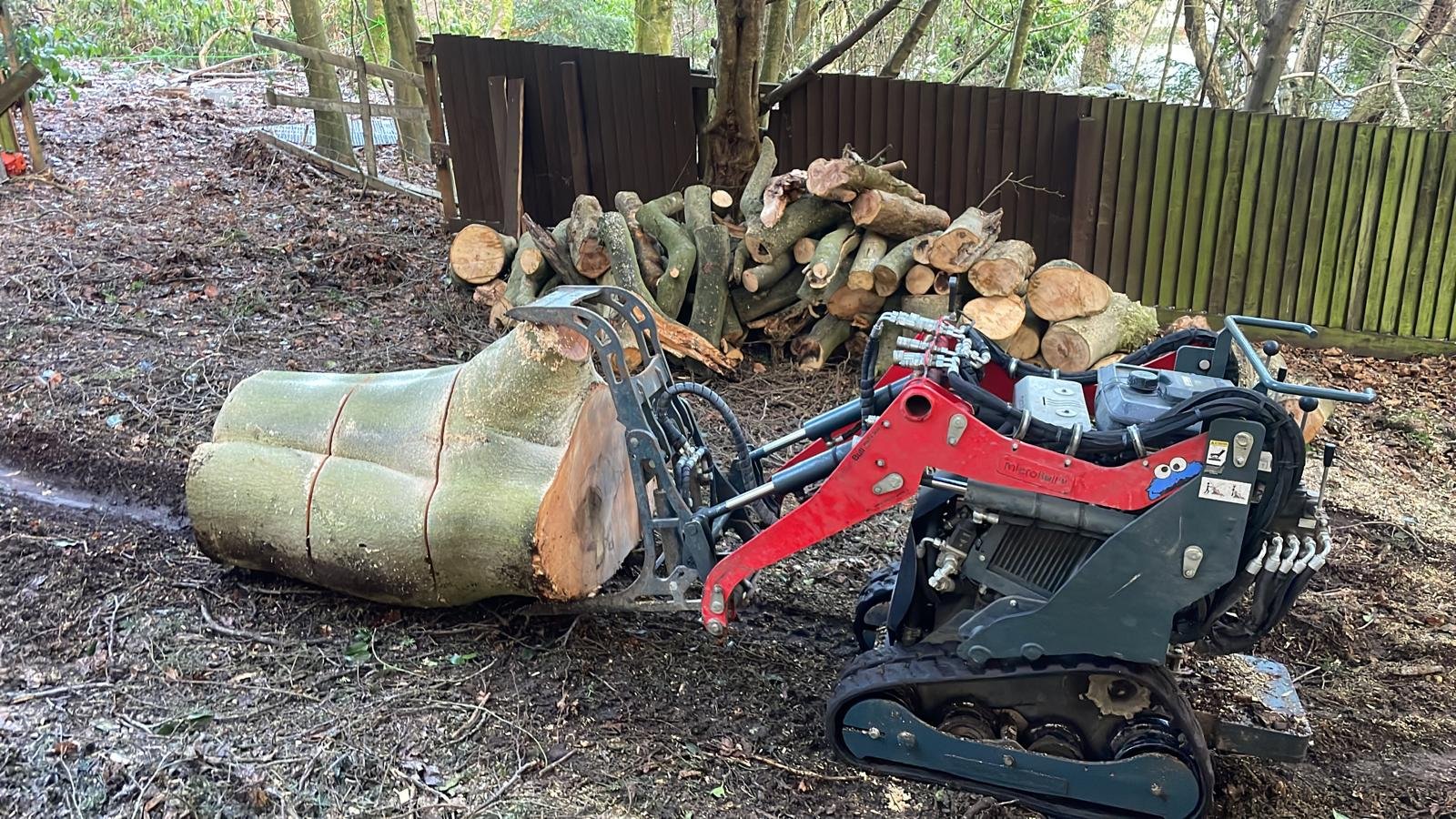
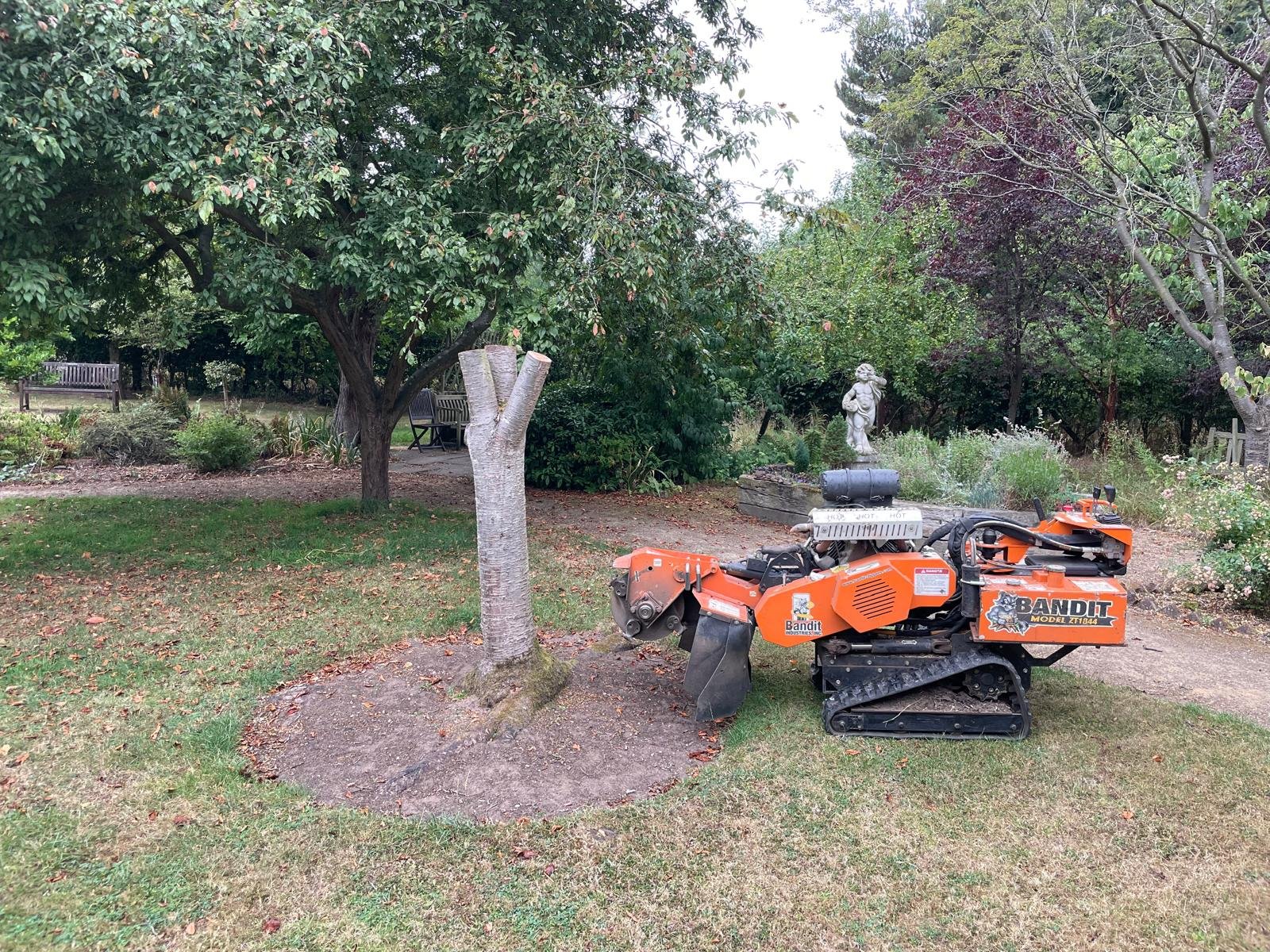
If removal is necessary, stump removal can follow to allow replanting or construction. Where possible, selective pruning and monitoring are preferred to preserve amenity value and habitat.
How Do You Know When a Tree Needs to Be Cut Down?
Removal is a last resort, considered when:
- The tree is severely decayed or structurally unsound
- Defects are irremediable and the risk is high
- The tree is dead or dying with little chance of recovery
- The tree conflicts with essential infrastructure and no reasonable pruning solution exists
- The species is inappropriate for the location and ongoing risk or damage is likely
A formal survey and written advice help you make a confident decision. For protected trees, permissions are required before removal.
TPOs, Conservation Areas, and Local Checks
Across Leicestershire, Nottinghamshire, Lincolnshire, and the Vale of Belvoir, many trees are protected by a Tree Preservation Order or lie within a Conservation Area.
Before any works, checks must be made with the local planning authority. Vale Estate Management can handle the paperwork, notify the council, and provide supporting documents.
If you need guidance or a report, speak to our tree consultant for clarity on the process and timing.
Why DIY Tree Work Is Risky
Tree work looks straightforward from the ground, but it involves complex rigging, sharp equipment, and dynamic loads. Common risks include:
- Unpredictable branch movement and barber chair failures
- Hidden decay causing unexpected collapse
- Electrical hazards near overhead lines
- Falls, tool injuries, and damage to property or vehicles
Insurance policies may not cover DIY incidents. A qualified, fully insured team brings the right equipment, training, and controls to manage risk and protect your site.
BS3998-Aligned Care and Transparent Pricing
Standards matter. Work aligned with BS3998 means your pruning cuts, crown reductions, and removals follow industry best practice. Expect:
- Clear scope of works and method statements
- Pre-work risk assessments and site safety controls
- Thoughtful pruning that respects tree biology
- Waste removal and tidy handover
- Transparent quotes with no hidden fees
This approach protects your trees and your budget over the long term.
How to Find and Pick a Qualified Tree Surgeon
Use these simple checks:
- Qualifications and certifications. Look for NPTC units for chainsaw and aerial work. Ask for evidence of training and ongoing CPD.
- Insurance. Confirm public liability and, where relevant, employers’ liability cover.
- Standards and methodology. Ask whether they work to BS3998 and how they handle risk assessments.
- References and reviews. Look for consistent feedback on punctuality, tidiness, and communication.
- Written quotation. Clear scope, itemised costs, and waste disposal included. No hidden extras.
- Local knowledge. Understanding of TPO processes, Conservation Areas, and council notifications saves time and stress.
If you need fast help in a specific area, a local provider is usually best placed to respond quickly and liaise with the council.
Planning Ahead Saves Money
A scheduled survey, especially for estates and facilities, identifies minor issues before they become urgent. Benefits include:
- Prioritised works across multiple trees or sites
- Phased budgets and fewer surprises
- Reduced storm season failures
- Documentation that supports planning applications and compliance
Even a short annual inspection can prevent costly reactive callouts.
Book a Site Visit or Survey
If you are concerned about deadwood, fungal brackets, a sudden lean, heaving soil, or possible subsidence, book a prompt assessment.
Led by Charlie, an NPTC-certified arborist, Vale Estate Management delivers BS3998-aligned tree surgery, safe tree removals, and practical tree surveys across the Midlands with transparent pricing and no hidden fees.
If you are local and need rapid help, you can speak to a tree surgeon in Loughborough, arrange support from a tree surgeon in Grantham, or book with a tree surgeon in Melton Mowbray depending on your location.
Summary
Call a tree surgeon when you see hazards such as deadwood, fungal brackets, sudden lean, heaving soil, storm damage, dieback, or conflicts with buildings and services.
A qualified, insured professional will assess risk, follow BS3998, and recommend pruning, monitoring, or removal where necessary.
Check TPO and Conservation Area status before work in Leicestershire, Nottinghamshire, Lincolnshire, and the Vale of Belvoir. Avoid DIY risks.
Choose an NPTC-certified team with clear quotes and strong local knowledge.
Ready for peace of mind? Book a site visit or tree survey with Charlie today.