When Is the Best Time of Year for Tree Work?
Winter is when many trees are at their easiest and safest to manage. If you have a tree that needs pruning, a crown reduction, or full removal, the quieter winter months can give you better results, safer access, and less disruption to wildlife. In the Midlands, where storms and saturated ground are common through late autumn and winter, planning work around dormancy and local regulations is just as important as choosing the right cuts.
This guide explains why winter is often the best time for tree work, where the exceptions lie, and how to time your project to suit both your trees and your diary. You will also find clear answers to common timing questions, plus notes on safety, permissions, and what to expect on site.
Why Winter Suits Most Tree Work
- Trees are dormant. With growth slowed, many species respond well to winter pruning, with reduced sap flow and lower risk of bleeding.
- You can see the structure. Without leaves, your arborist can assess form and defects more clearly, then make precise, BS3998-compliant cuts.
- Lower wildlife impact. Outside the main nesting season there is less disturbance to birds, bats, and invertebrates, although checks still take place.
- Better ground and access planning. Frozen or firm ground can make access safer for equipment and reduce turf damage, and careful matting protects surfaces when soils are soft.
For many deciduous species, late autumn through late winter is the sweet spot for pruning and reductions. It also suits pre-emptive safety work such as crown thinning to lower wind sail and reduce the chance of storm damage.
Pruning, Crown Reduction, or Removal — What’s the Difference?
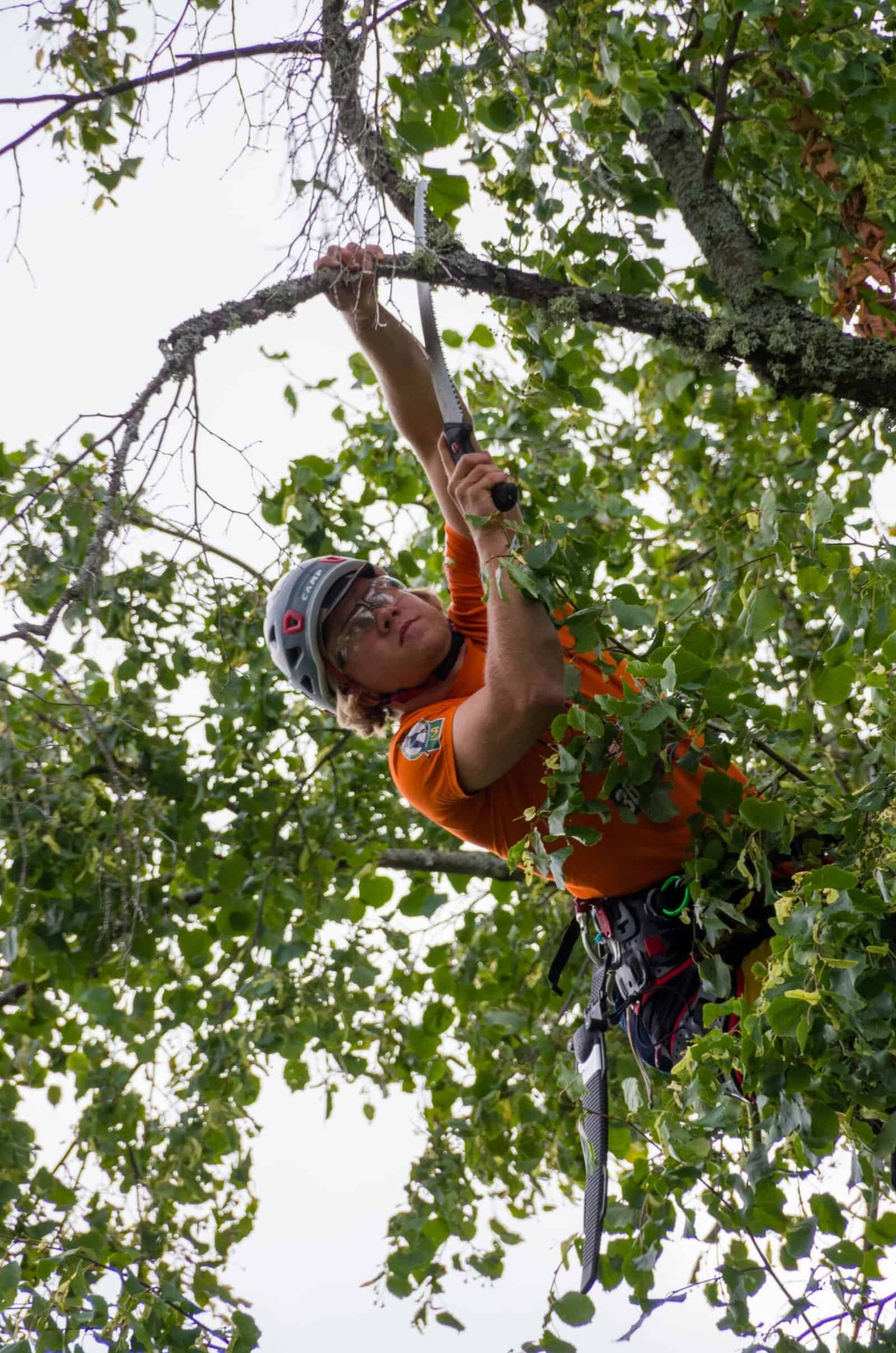
Pruning: Targeted cuts that remove dead, diseased, crossing, or weak branches to improve health and structure.
Crown Reduction: Reduces the overall canopy size to lessen weight, balance the tree, or clear buildings and power lines while keeping natural form.
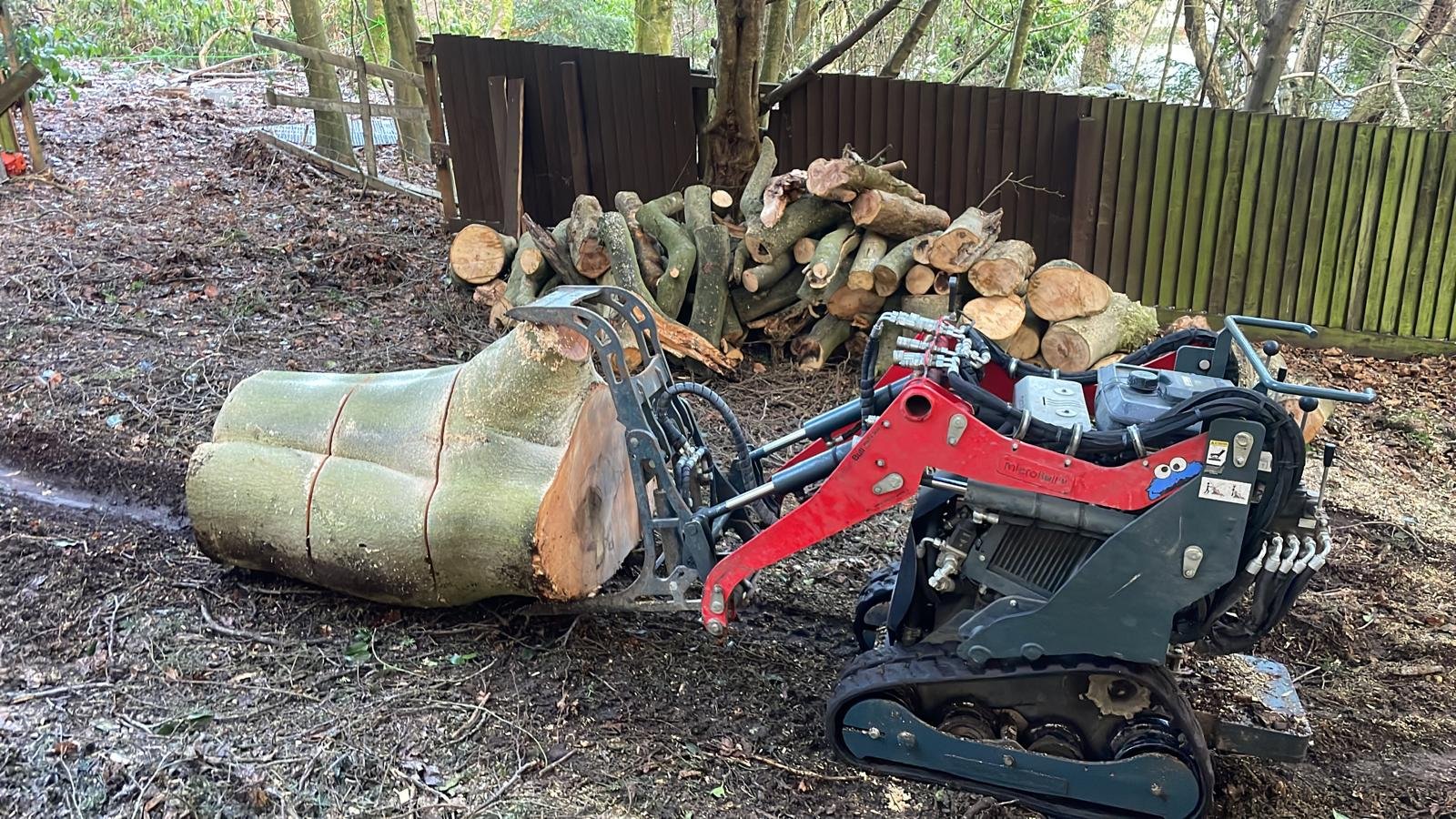
Removal: Full felling when a tree is dead, dangerous, unsuitable for the location, or required for development. Followed by optional stump grinding to enable replanting.
All three should follow BS3998 guidance to protect the tree, the site, and the people nearby. At Vale Estate Management, NPTC-certified arborists complete written risk assessments and use safe method statements on every job.
The Best Time of Year to Cut or Trim Trees
If you are wondering what is the best time of year to cut trees, or what is the best time of year for tree trimming, the answer for most species in the Midlands is late autumn to late winter. Dormancy supports good recovery, and the lack of foliage helps your arborist judge structure and set clean, natural lines.
Exceptions:
- Spring sap risers (birch, maple, walnut) may bleed heavily if cut early in spring — winter or light summer pruning can be better.
- Stone fruit (such as cherry) often benefit from light summer pruning to reduce risk of silver leaf.
Safety and tree health always take priority — emergency work is carried out year round.
When Not to Cut Trees
Routine cutting should avoid the main bird nesting season, typically March through August, unless checks confirm no active nests.
Protected species, bats, and roosts must also be considered all year.
Legal Checks:
- Tree Preservation Orders (TPOs) and Conservation Areas — consent is required for pruning or removal.
- Emergency exemptions may apply if a tree is dead or dangerous, but evidence and correct notification are still required.
We handle the permissions, applications, photographs, and BS3998 specifications on your behalf.
The Best Time of Year to Remove a Tree
If a tree is unsafe, decayed, or storm-damaged, the best time is as soon as possible.
For planned removals, winter is often ideal:
- Leaf-off visibility improves safety
- Sap flow is lower
- Wildlife disturbance is reduced
- Cold ground helps protect lawns and surfaces
After felling, stump grinding clears the area for replanting, landscaping, or construction.
Is Winter Cheaper for Tree Removal?
Costs depend on:
- Access
- Tree size and condition
- Risk
- Waste volume
- Permissions
However, winter can improve efficiency because:
- There is less foliage to remove
- Branch structure is clearer
- Scheduling can be easier outside peak gardening season
We provide clear, transparent quotes and will advise where timing affects cost.
Storms, Emergencies, and Safe Access in Winter
High winds and saturated soils increase the risk of tree failure.
Warning signs:
- Sudden lean or heaving soil at the base
- Split unions or fresh cracks
- Hanging or torn limbs
- Fungal brackets indicating decay
If you spot these, book an urgent assessment.
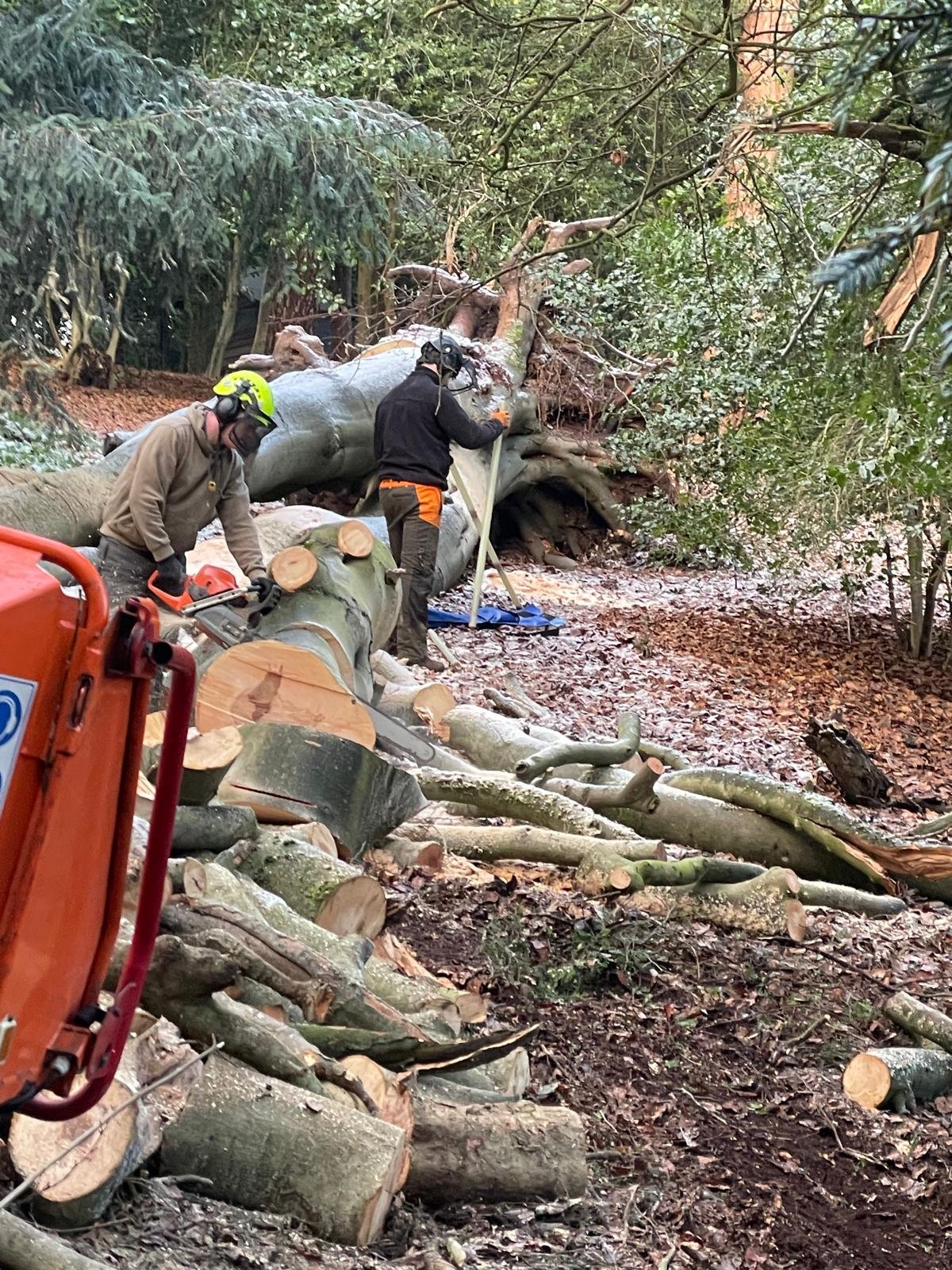
We provide emergency tree removal with controlled rigging and full site safety management. For protected trees, we record evidence and follow correct emergency exemption protocols.
Local support is available — e.g., emergency call-out tree surgeon in West Bridgford.
Compliance That Protects You and Your Trees
Every job includes:
- Site-specific risk assessment
- BS3998-aligned work specification
- TPO / Conservation Area checks
- Wildlife and nesting checks
- Responsible waste handling and tidy finish
If needed, a tree consultant can prepare council documentation to support planning and permissions.
Linked Services That Work Well in Winter
Winter is a good time to combine:
- Tree surgery for structure and safety
- Tree removals + stump grinding
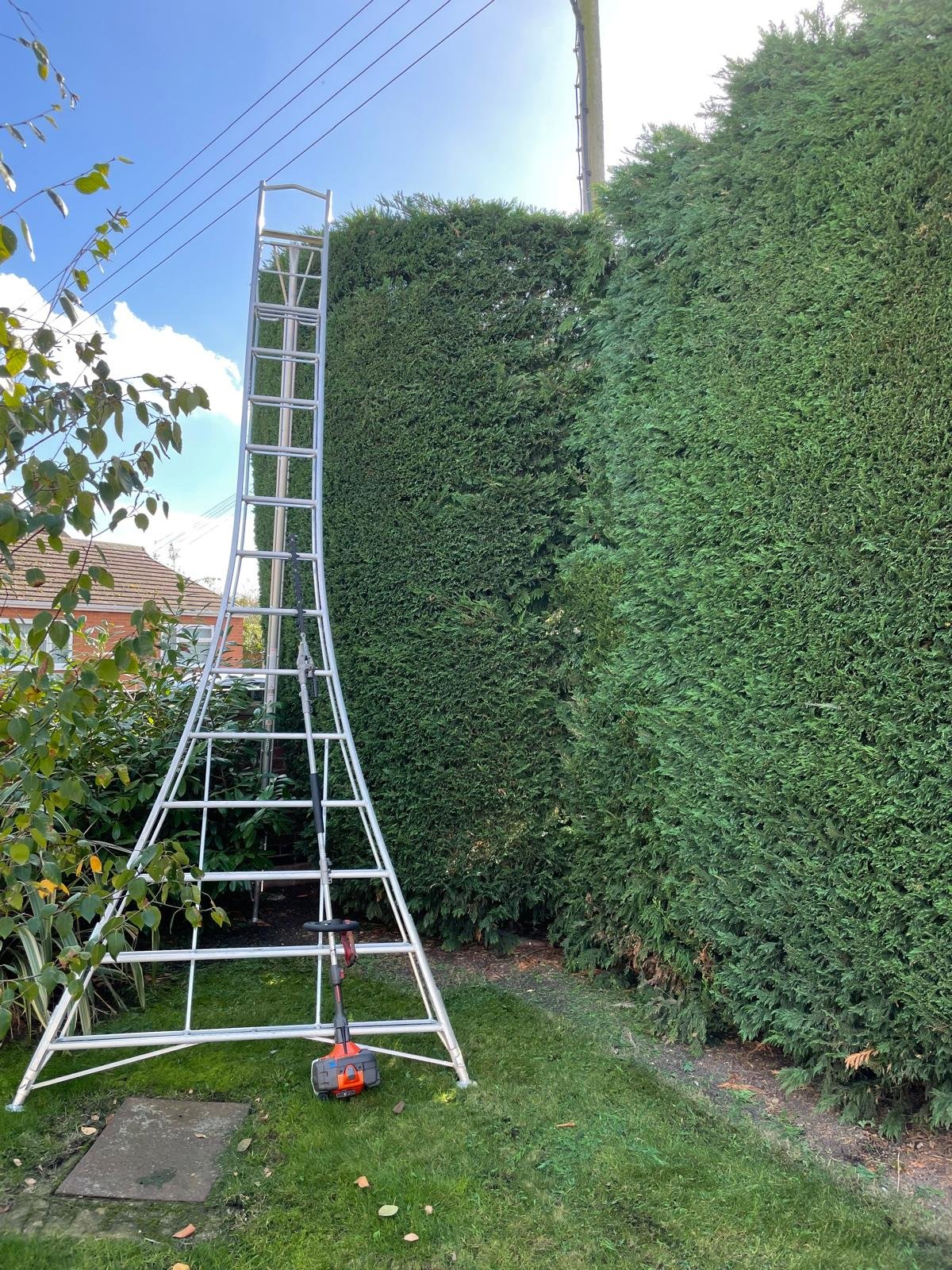
- Hedge trimming to set neat lines for spring growth
We can phase work to minimise disruption and keep your property tidy.
Local Help Across the Midlands
We work across:
- West Bridgford
- Loughborough
- Grantham
- Melton Mowbray
- The Vale of Belvoir
Key Takeaways
- Late autumn to winter is best for most planned tree work.
- Avoid nesting season unless checks confirm no active nests.
- Choose pruning for health, crown reduction for shape, removal when required.
- Winter streamlines planned work and may reduce disruption.
- Always request BS3998 specifications and clear quotations.
Ready to Plan Your Winter Tree Work?
Contact Vale Estate Management for clear advice, safe methods, and transparent pricing.
Led by an NPTC-certified arborist, we help you time your work well, stay compliant, and protect your trees — while keeping your site tidy and ready for spring.