How Do You Properly Cut a Hedge?
Hedges add structure, privacy, and beauty to a garden. Getting the hedge trimming right not only keeps your hedge healthy and dense but also ensures a neat, attractive boundary for years to come. Whether you’re a seasoned gardener or a complete beginner, understanding the correct techniques, timing, and tools will save you time and prevent damage to the plants.
Introduction: why proper hedge trimming matters
Hedge trimming is more than just snipping branches. Proper pruning encourages strong growth, maintains shape, and prevents pests and diseases from taking hold. A well-trimmed hedge also improves light penetration and air circulation within the interior, reducing the risk of mould and disease. In this guide, we’ll cover the essentials of how to properly cut a hedge, with practical tips and common mistakes to avoid.
When to trim: timing and frequency
Timing is crucial for healthy hedge growth. Most hedges respond best to trimming two or three times a year, depending on species and climate. Early summer and late summer are common windows, but avoid harsh winter pruning on species that are sensitive to frost. For evergreen hedges like privet, box, or laurel, light yearly maintenance keeps the shape without stressing the plant. Deciduous hedges may require pruning in late winter or early spring before new growth begins.
- Consider the growth rate of your hedge: fast-growing species benefit from more frequent trims.
- Plan a light trim in mid-season to maintain shape rather than letting hedges become overgrown.
Tools and safety: what you’ll need
Having the right hedge trimming tools makes a big difference in both results and safety. Essential tools include:
- Hand shears for light, precise cuts on small shoots.
- Hedge trimmers (electric or petrol) for faster, more even coverage on larger hedges.
- Loppers for thicker stems and tougher growth.
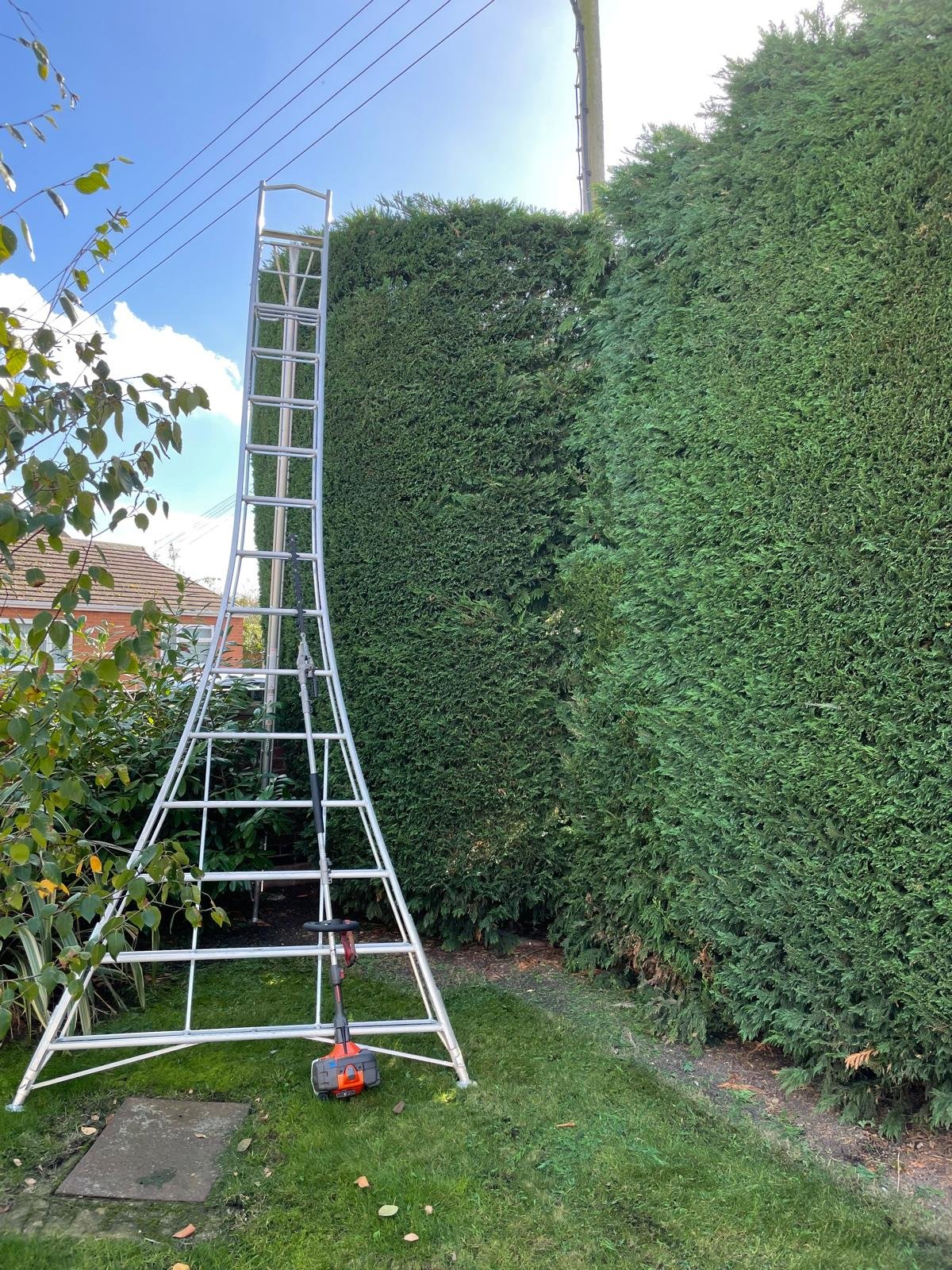
- A telescopic pole for reaching high or wide sections.
- A ladder if you need to work at height, with a helper to stabilise it.
Safety tips:
- Wear gloves, eye protection, and sturdy footwear.
- Check electrical cords for tripping hazards and keep them away from damp ground.
- Stand with a stable footing and avoid overreaching; move the ladder as needed.
Techniques: how to properly cut a hedge
Achieving a neat, healthy hedge requires a few core techniques. The goal is to create a slightly tapered profile, taller in the middle to allow light to reach the bottom and maintain a uniform, manageable silhouette.
- Start with a plan: before you cut, decide on the desired shape and height. A gentle triangular or flat-top profile is common, but ensure the sides are slightly wider at the bottom to promote natural growth.
- Cut from the outside in: removing outer growth first helps prevent inner damage and makes it easier to see what you’re doing.
- Make the top straight or gently curved: a straight top gives a formal look; a slight curve can look more natural in cottage gardens.
- Leave thickness for privacy: don’t prune too aggressively into the old wood; hedge plants need a certain amount of old wood to maintain density.
- Use a guide line: stretch a cord or use a string line at the desired height to keep the top even.
- Don’t cut too close to pensioners? (Note: that line seems off; corrected) Avoid cutting back to old wood on many evergreen species, as they may not regrow from bare wood.
- Step back and assess frequently: regularly check symmetry and density from a distance.
Seasonal techniques by hedge type:
- Box hedges: light, frequent trims to maintain small leaves and dense growth.
- Privet: a couple of trims per year works well; avoid harsh mid-summer cuts that can scorch new shoots.
- Beech or hornbeam: typically shaped with a clean, formal look; avoid cutting into older wood to keep the hedge robust.
- Laurel or yew: can tolerate more aggressive pruning but still benefit from a staged approach to avoid shock.
Common mistakes to avoid
- Over-pruning: removing too much growth in one go can stress the plant, reducing vigour.
- Cutting into old wood on evergreen species: many do not regrow from bare wood.
- Uneven shaping: without a guide, you may end up with a lopsided hedge.
- Ignoring light and airflow: dense interior growth without thinning can harbour pests and disease.
- Pruning at the wrong time: cutting at the wrong season can reduce blooming and new growth.
Maintenance between trims: keeping it healthy year-round
- Light feather pruning: every few weeks during the growing season can keep shape and prevent overgrowth without stressing the plant.
- Watering and feeding: after trimming, ensure adequate moisture and apply a balanced feed if growth looks pale.
- Mulching: a light mulch around the base helps retain moisture and suppress weeds.
- Inspect for pests: check for signs of aphids, scale, or mites and treat promptly.
Final thoughts
Hedge trimming is a rewarding part of garden maintenance when done with the right timing, technique, and tools. A well-cut hedge provides structure, privacy, and a thriving habitat for beneficial insects. By planning your cuts, using good technique, and avoiding common mistakes, you can achieve a healthy, beautiful hedge that lasts for years. Remember, consistency is key: regular, moderate trims typically beat infrequent, heavy pruning in terms of plant health and appearance.
If you’d like more practical demonstrations or product recommendations for hedge trimming, I can tailor guidance to your hedge type and climate.