Can You Trim Hedges Too Much?
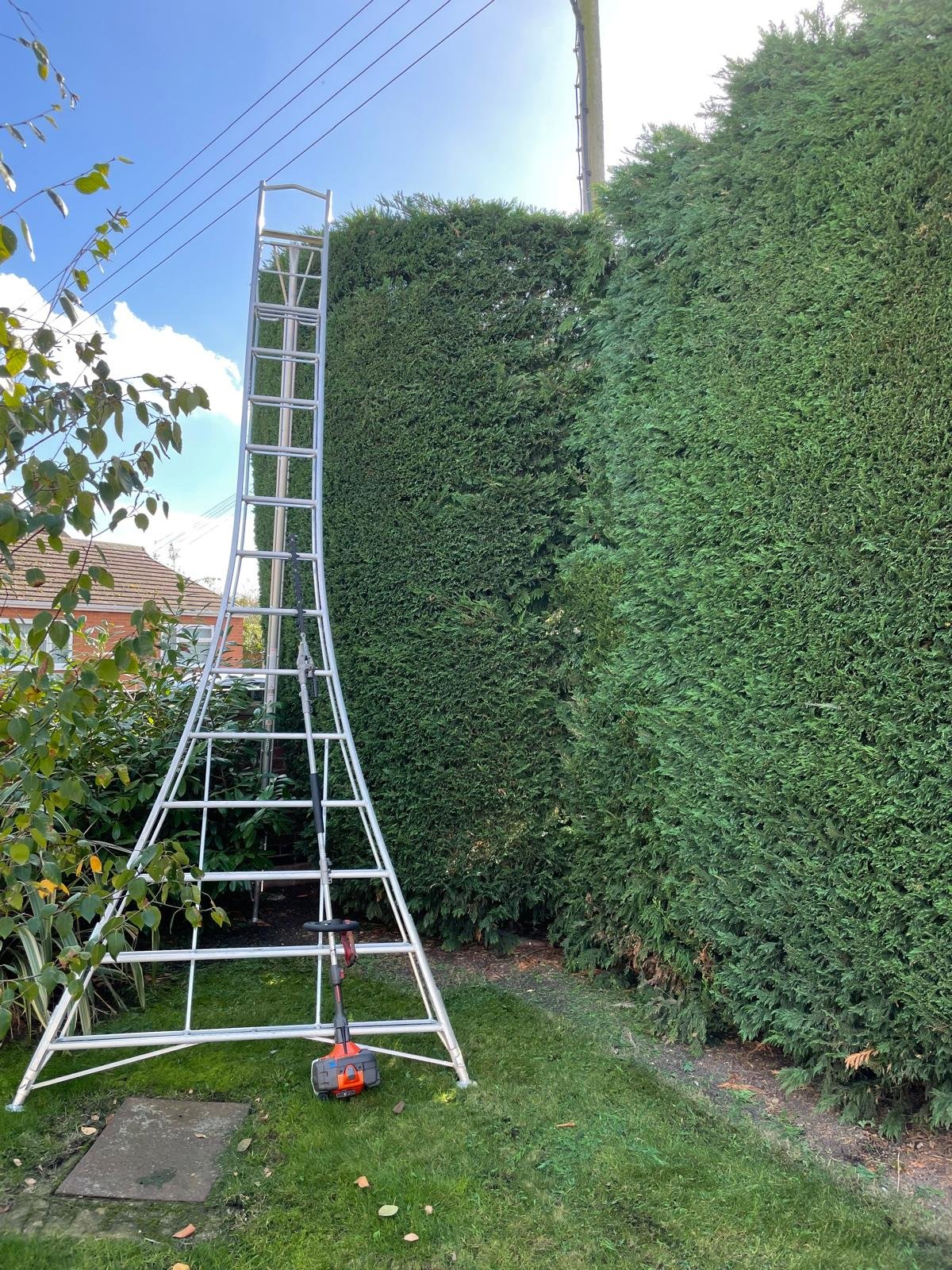
Hedge trimming is a common garden task that shapes our outdoor spaces, provides privacy, and can even boost kerb appeal. But like any form of pruning, there is a line between a neat, healthy hedge and overdoing it.
In this post, we’ll explore the question can you trim hedges too much? and offer practical guidance to keep your hedges thriving.
Introduction: Why Hedge Trimming Matters
Hedges are more than decorative borders. They provide shelter for wildlife, act as windbreaks, and create microclimates in our gardens. Yet improper trimming can stress plants, reduce their vigour, and leave them looking sparse or unattractive.
Understanding the needs of your hedge species and adopting best-practice trimming techniques can prevent the pitfalls of over-trimming.
How Plants Respond to Trimming
The Biology of Pruning
When you trim a hedge, you’re removing a portion of the plant’s growth tissue. New shoots emerge from latent buds just beneath the cut, and the plant channels energy into producing fresh growth.
If you repeatedly remove a large percentage of the canopy, you can exhaust the plant’s energy reserves and weaken its structure.
Signs You Might Be Trimming Too Much
- Sudden loss of density with gaps between branches
- Yellowing or chlorosis in leaves
- Slow or stunted regrowth
- Sparse interior growth in evergreen hedges
- Increased wind rock or breakage due to weakened structure
These symptoms often indicate the hedge is under stress from excessive pruning.
Species Differences
Different hedge species tolerate trimming in different ways:
- Laurel (Prunus laurocerasus): Tolerates regular trimming but should not be cut back to bare stubs
- Boxwood (Buxus): Responds well to shaping but can suffer if cut too late in the season
- Beech (Fagus sylvatica) and Hornbeam (Carpinus betulus): Thrive with annual trims but dislike heavy single-session reductions
Knowing your hedge species is essential before deciding how hard to cut.
Best Practices to Avoid Over-Trimming
1. Plan Your Shaping With Purpose
Decide the target height and width before you start. Reduce gradually rather than making dramatic cuts in one session.
2. Use the Right Tools and Technique
Sharp tools create clean cuts and reduce stress. Cut just above a bud at a slight angle to encourage outward growth.
3. Trim as the Plant Grows
For most UK hedges, late spring through summer is ideal. Avoid heavy trimming in late summer or autumn.
4. Don’t Shave the Hedge to Nothing
Reduce by around a third, then reassess after new growth appears.
5. Leave Internal Growth Intact
Over-trimming the outer layer can starve the interior of light and energy.
6. Consider Seasonal Timing
- Early spring: Light structural pruning
- Late spring to early summer: Main shaping
- Avoid late autumn: Risk of frost damage and weakened plants
Practical Guidelines for Common Hedge Types
Boxwood
- Light, frequent trims
- Avoid heavy cuts late in the season
- Aim for a gently rounded profile
Laurel
- Gradual thinning works best
- Maintain a natural cone or arch shape
Beech and Hornbeam
- Annual shaping works well
- Avoid cutting into old wood
Slow-Renewal Species
Some hedges take longer to recover — gentler trimming is always safer.
Common Mistakes to Avoid
- Cutting back to bare stems
- Pruning in extreme heat or cold
- Ignoring diseased or damaged growth
- Trimming without a long-term plan
Final Thoughts: Balanced Trimming for Healthy Hedges
So, can you trim hedges too much? Yes — excessive trimming can weaken growth, create bare patches, and leave hedges vulnerable to damage.
The key is moderation, species knowledge, and consistent maintenance. A well-trimmed hedge should look dense, healthy, and proportionate, not stressed or skeletal. With patience and the right approach, hedges can remain a strong, attractive feature for many years.
🌿 Professional Hedge Trimming by Vale Estate Management
If you’re unsure how much to trim — or want a perfectly shaped, healthy hedge without the risk of over-cutting — Vale Estate Management can help.
We provide:
- Expert hedge trimming and shaping
- Species-appropriate pruning techniques
- Seasonal maintenance plans
- Fully insured, professional service
- Clean, tidy results every time
📞 Contact Vale Estate Management today for expert advice or a free quote.
Let us keep your hedges neat, healthy, and looking their best.