Hedge Laws And Best Practice In The UK: What You Can And Can’t Do This Winter
Winter is a great window to get hedges back into shape before spring growth and bird nesting season arrive. It is also the time when questions about what is legal, sensible, and neighbourly tend to surface. This guide explains the UK rules around hedge work, when you should avoid trimming, how high a hedge can be between neighbours, and how to plan winter maintenance safely and politely. You will also find practical tips on shaping versus reducing height, ideal trimming frequency, and how Vale Estate Management tackles tidy access and clean-up across the Midlands.
Who Is Responsible For Garden Hedge Maintenance?
As a rule, the hedge owner is responsible for maintaining it. If the hedge sits entirely within your boundary, it is yours to look after. If it straddles the boundary, both neighbours may have duties.
Your neighbour can cut back growth that overhangs their property back to the boundary line, provided they return any arisings if requested and avoid causing damage. Roots are treated similarly.
If you did not plant a hedge but it lies on your side, ownership can still be yours, so check title plans and long-standing maintenance patterns if there is any doubt.
Good etiquette goes a long way. Tell your neighbour when you plan to carry out work, agree the line of the boundary if unclear, and confirm access if you need to step onto their side. Written confirmation helps prevent misunderstandings.
What Months Should You Avoid Cutting Hedges?
In the UK, the main bird nesting season typically runs from March through August. It is not automatically illegal to cut during this period, but it is an offence to damage or destroy active nests, eggs, or nestlings.
The safest guidance is to avoid hedge cutting between March and August, or to proceed only after a careful, competent check confirms there are no active nests. Winter is ideal for most routine shaping and reductions because plants are dormant and there is less wildlife risk.
Is It Illegal To Cut Hedges In Summer?
Not categorically, but the Wildlife and Countryside Act 1981 protects nesting birds. If you cut a hedge in summer and disturb or destroy an active nest, you could be committing an offence.
If you must work in summer for safety or access reasons:
- Carry out thorough nesting checks
- Consider using a professional who understands legal duties
- Evidence inspections properly
Many clients choose a light summer tidy of new growth only, with major reshaping deferred to winter.
What Is The Legal Height Of A Hedge Between Neighbours In The UK?
There is no universal maximum hedge height for private gardens.
The often-quoted 2 metre figure comes from the High Hedges provisions in the Anti-social Behaviour Act 2003. These allow a neighbour to complain to the council if a hedge, usually a line of two or more evergreen or semi-evergreen trees or shrubs, is over 2 metres high and is adversely affecting their reasonable enjoyment of their home or garden.
Councils can assess and, where justified, issue a remedial notice that sets a maintenance height. This is case specific.
It does not mean all hedges must be kept under 2 metres, nor does it apply to every species or situation.
If a dispute is brewing:
- Try informal steps first
- Share concerns
- Suggest a compromise height
- Consider staged reductions over two seasons
- Keep records of discussions
Should You Cut The Top Of A Hedge?
Yes, if you want to manage height and promote density, but timing and technique matter.
Topping a hedge hard in one go can expose bare stems and stress the plants. A staged approach is usually best.
Reduce height in increments across one or two seasons so light reaches lower growth and new shoots fill in.
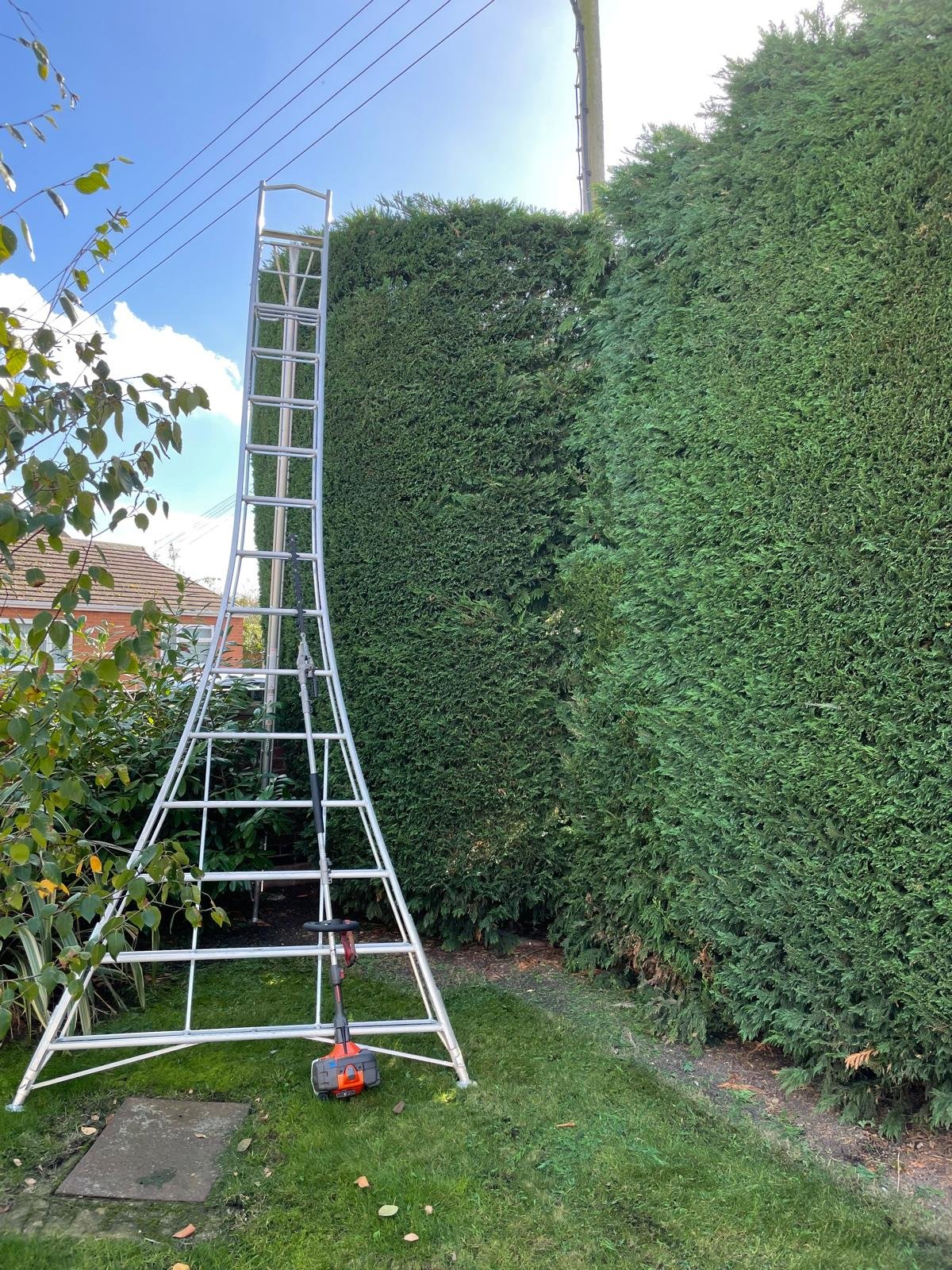
For formal hedges, aim for a slight batter, meaning the hedge is wider at the base than at the top, so sunlight reaches lower foliage.
Always use sharp tools and clean cuts to BS3998 principles.
How Often Should A Hedge Be Trimmed?
The right frequency depends on species and desired appearance.
Fast-growing conifers like leylandii:
Two to three trims per year to keep a crisp line and prevent runaway height.
Privet, laurel, and similar broadleaf hedges:
One to two trims per year. A late autumn cut sets the line for winter; a light summer touch-up can control new growth.
Yew and beech:
Often one well-timed winter trim, with occasional summer refinement.
Regular light maintenance is kinder to plants, less disruptive, and cheaper long term than occasional heavy reduction.
Why Winter Hedge Work Is Often Best
- Dormant plants recover better from cutting
- Fewer nesting risks (while still checking for wildlife)
- Clearer structure for corrective work
- Easier access and tidier clean-up
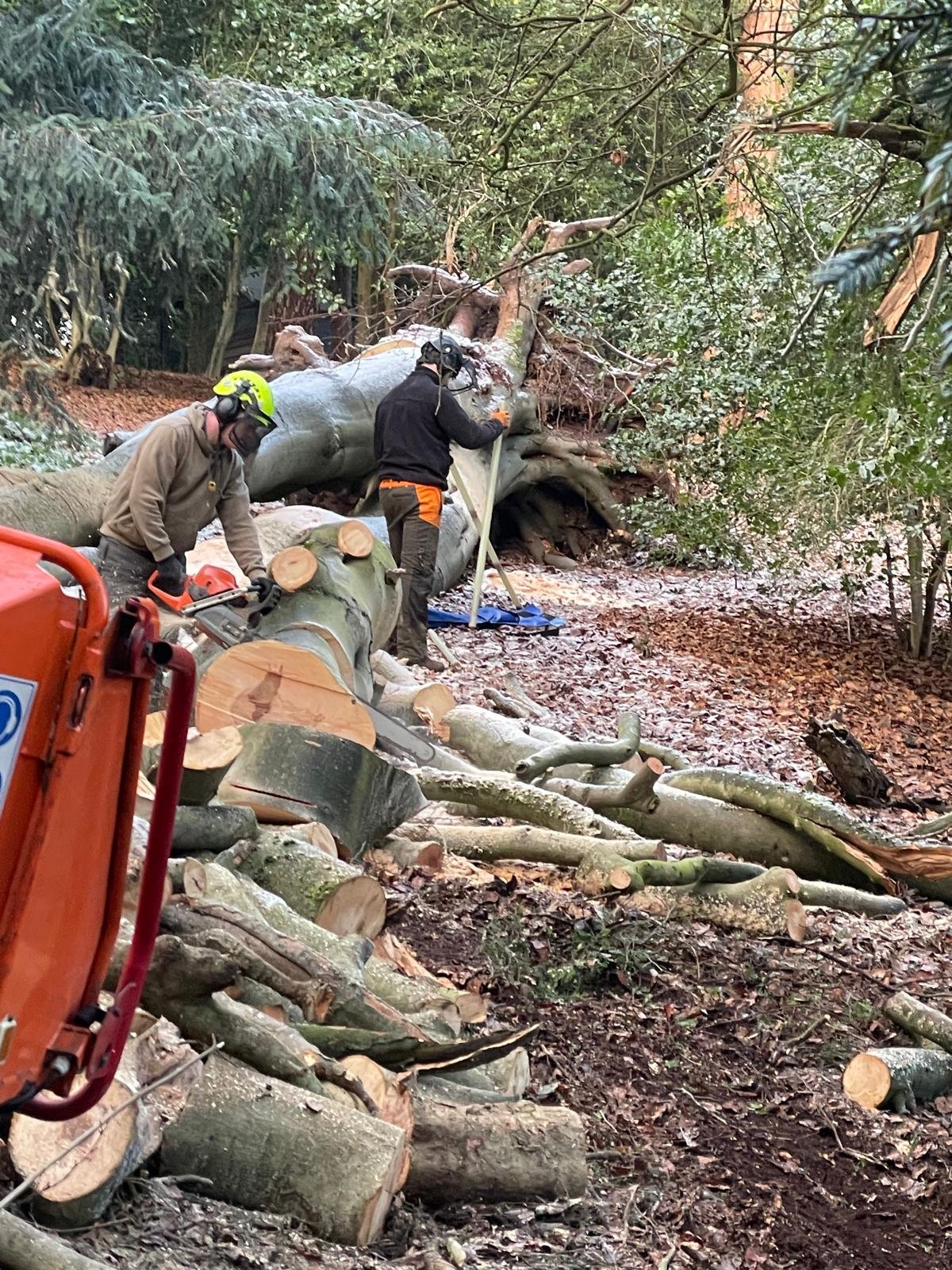
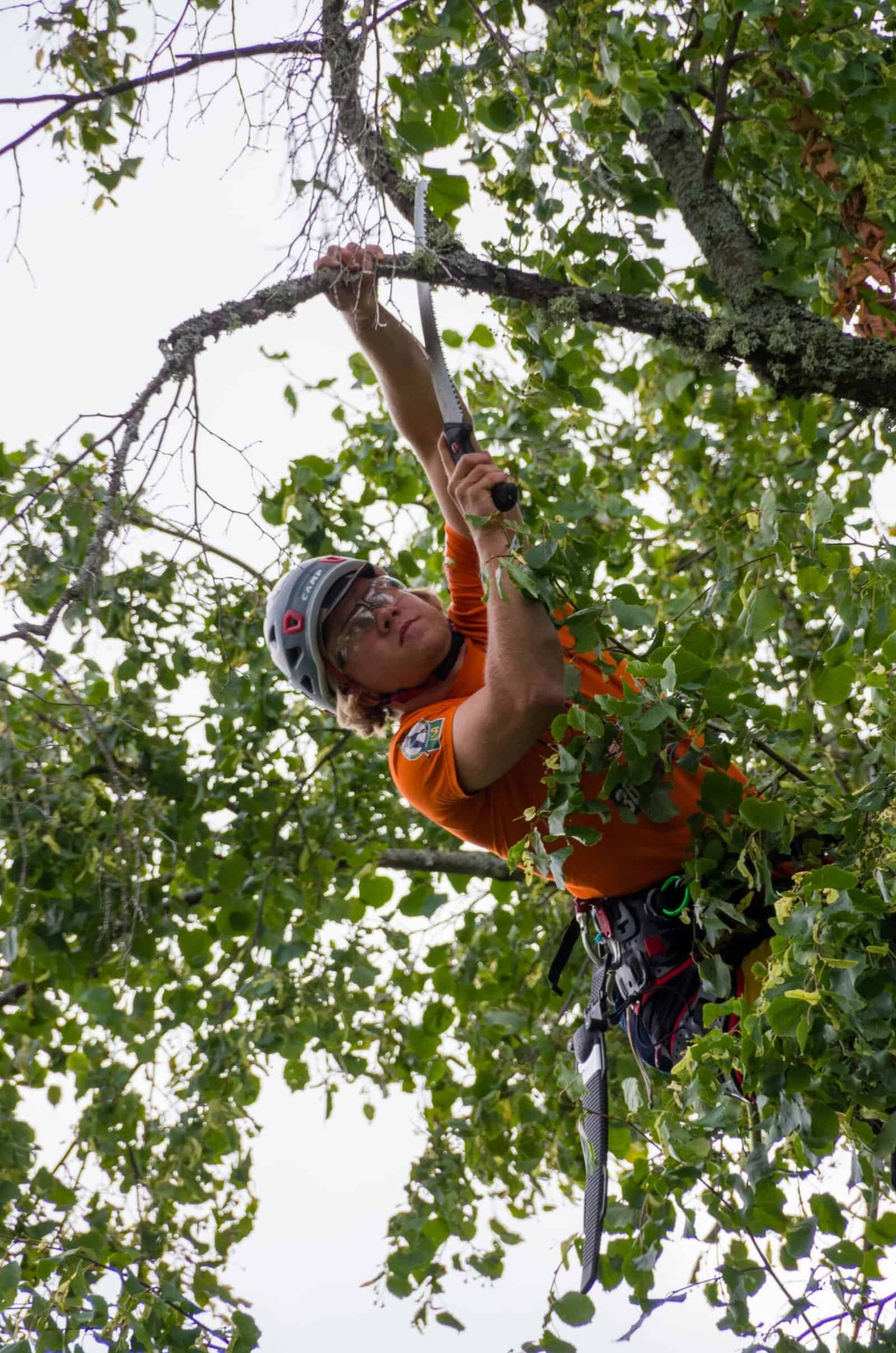
At Vale, winter hedge programs are scheduled alongside tree safety checks. Where trees are embedded in hedgelines, we carry out visual assessments or full tree surveys to confirm stability, identify decay, and recommend pruning or reductions aligned with BS3998.
Local Council, TPOs, And Conservation Considerations
Before cutting, confirm whether any trees within or forming the hedge are protected by a Tree Preservation Order or lie in a Conservation Area.
Permissions may be required for non-exempt work.
Urgent safety works can be exempt if properly evidenced.
We regularly prepare a TPO report and liaise with planning teams so lawful permissions are secured before hedge or tree works begin.
Planning Tidy, Safe Access And Clean-Up
Good planning reduces disruption:
- Agree access routes and parking
- Protect lawns and paving with mats
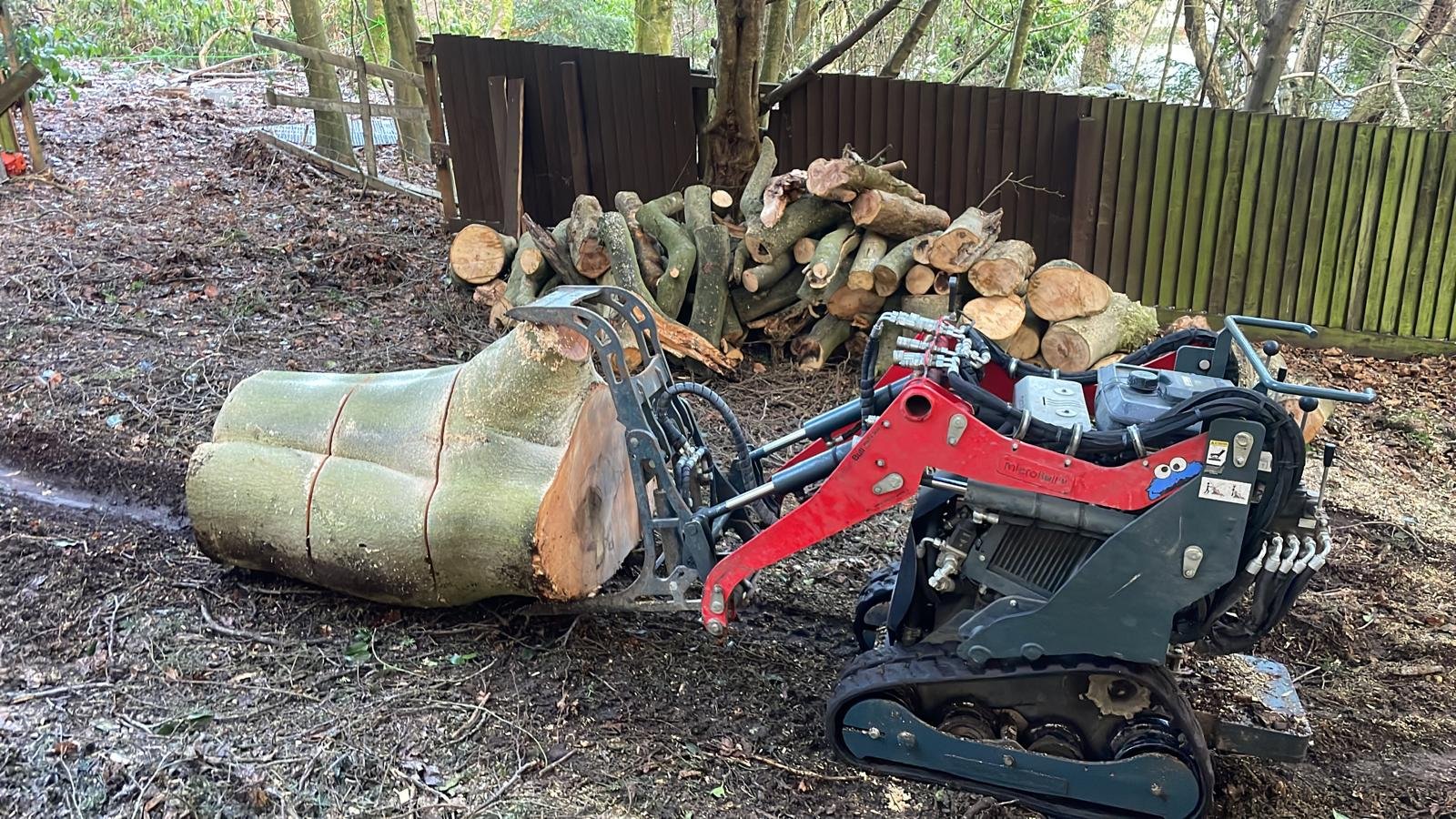
- Manage arisings responsibly
- Chip and recycle green waste
- Leave a clean finish
If stumps or old hedge lines require removal, tree stump removal options include efficient tree stump grinding for a quick, tidy finish.
Neighbour Etiquette: Simple Steps That Work
- Talk early
- Share plans clearly
- Offer sightlines from both gardens
- Propose staged height reductions
- Agree maintenance height and frequency
- Put agreements in writing
A fair, proactive plan often prevents formal complaints.
How Vale Can Help This Winter
- Hedge shaping and ongoing maintenance
- Site clearance for overgrown boundaries
- Responsible disposal and recycling
- Tree surveys and visual assessments
- Planning support where required
For a simple trim or a full boundary reset, our NPTC-certified team works to BS3998, plans safe access, and leaves your site tidy with no hidden fees.
If you are comparing options, our hedge cutting services page explains what to expect and how we schedule seasonal work. We can also assist where trees in the hedge are protected, with a clear, concise TPO report to support applications.
Summary: What You Can And Cannot Do
- You are responsible for hedges on your land
- Neighbours can cut overhang back to the boundary
- Avoid March to August trimming unless nesting checks confirm no active nests
- Winter is best for larger reductions
- There is no blanket legal hedge height
- Trim little and often
- Shape with a slight batter
- Reduce height in stages
- Check TPO and Conservation Area status
- Secure permissions where required
Ready to plan winter maintenance across Loughborough, Grantham, Melton Mowbray, West Bridgford, and the wider East Midlands? Start with expert hedge trimming advice from our team, and if a boundary reset is on the cards, we can pair hedge work with garden clearance services so everything is finished neatly and safely before spring.