Do you need permission to cut down a tree? TPOs, Conservation Areas and planning explained
Cutting or pruning a tree can seem straightforward until permissions get involved. In the UK, certain trees are legally protected. Getting it wrong can mean costly delays, forced replanting and significant fines. The good news: once you understand Tree Preservation Orders, Conservation Areas and a few simple rules, you can plan work with confidence.
This guide explains when you need permission, what you can do without it, how long applications take and how Vale Estate Management helps homeowners, estates and developers across Leicestershire, Nottinghamshire and Lincolnshire stay fully compliant. Everything is delivered to British Standard BS3998 by NPTC-certified arborists.
Key protections: TPOs and Conservation Areas
Two main protections apply to trees on private and commercial land:
- Tree Preservation Orders (TPOs): A TPO is made by your Local Planning Authority to protect trees with significant amenity value. It makes it a criminal offence to cut down, top, lop, uproot, wilfully damage or destroy a protected tree without consent. This applies to any part of the tree, not only removals.
- Conservation Areas: In a designated Conservation Area, you must give your council 6 weeks’ written notice before carrying out most works on trees with a stem diameter of 75 mm or more measured at 1.5 m above ground (or 100 mm if thinning to benefit other trees). This notice period allows the council to consider a TPO if needed.
In both cases, emergency works to remove dead or dangerous branches can be exempt, but you must be able to evidence the risk and necessity. Vale documents defects and prepares concise notes to justify urgent works.
What you can do without permission
Understanding exemptions helps you avoid unnecessary delay:
- Dead or dangerous wood: You can usually remove deadwood or make safe dangerous branches without prior consent, but keep evidence. Photographs, decay detection notes and arborist findings are helpful if questioned later.
- Small trees in Conservation Areas: If the stem is under 75 mm at 1.5 m, notice is not required. If thinning to improve other trees, the threshold rises to 100 mm.
- Non-protected trees: If there is no TPO and you are not in a Conservation Area, you generally do not need permission. Always check for nesting birds and protected species, and be considerate of neighbours and boundaries.
Important limits still apply. The Wildlife and Countryside Act protects active nests and certain species year-round. Utilities, highways and covenants can introduce additional constraints. When in doubt, ask a qualified arborist to check before you cut.
How to check if a tree is protected
For Leicestershire, Nottinghamshire and Lincolnshire, the simplest route is to:
- Look up your property on your Local Planning Authority’s online map for TPOs and Conservation Areas.
- If mapping is unclear, email the planning team with your address, a plan and photos.
- Ask a professional arborist to confirm status and prepare any required paperwork.
Vale routinely checks protection status for clients and provides the correct notices, applications and supporting photos. If you are in or near Loughborough, Grantham, Melton Mowbray or West Bridgford, start with a quick visual assessment and we will handle the rest.
Applications, notifications and timeframes
- TPO applications: Most councils aim to decide within 8 weeks. You must state the works clearly, explain the reasons and, ideally, reference BS3998. Where defects are involved, attach photos and any arboricultural notes.
- Conservation Area notices: A 6-week notice period applies. During this time the council may allow the works to proceed, request more detail or place a TPO.
If a tree poses an immediate danger, proportionate safety works can proceed without waiting, but you should document the condition first and notify the council as soon as practicable. Vale prepares time-stamped photos and a short note so you are covered.
Planning applications and development sites
Developments introduce extra requirements. Trees can be a planning constraint and may need formal surveys and impact assessments, protection plans for retained trees and method statements for access or utilities. Vale provides tree surveys, concise TPO and planning support, and liaison with case officers so schedules stay on track. Where removals are approved, we complete compliant tree surgery and offer follow-on planting to restore canopy cover.
If you are planning works in the East Midlands, our team can prepare clear specifications and a TPO report that planning teams recognise, helping to reduce questions and avoid re-submissions. Learn more about our TPO support and tree consultant services in our page on TPO tree reports.
Penalties for non-compliance
Cutting a protected tree without consent is a criminal offence. Fines can reach significant levels in the Magistrates’ Court, and in serious cases the Crown Court can impose unlimited fines. Councils can also require replacement planting. It is far cheaper to check first and proceed correctly than to risk enforcement.
When is the best time to cut or prune?
Most structural pruning is best done during winter dormancy to reduce stress and improve visibility in the canopy. That said, timing depends on species, objectives and wildlife considerations. During bird nesting season, larger reductions should be avoided unless urgent safety work is required. Vale plans works to BS3998 and will advise whether to prune now or stage works across seasons.
As for removals, consider felling when the tree is demonstrably dead, dying, hazardous, causing unacceptable damage or prevented from being retained within a development scheme. A professional assessment will set out options, from reduction and staged pruning to safe dismantling and replanting.
How Vale keeps you compliant
Led by Charlie, an NPTC-certified arborist, we provide:
- Protection checks: TPO and Conservation Area status confirmed before works.
- Paperwork: Clear BS3998-led specifications, photos and concise justification notes.
- Liaison: Submission of applications or notices and communication with planning teams.
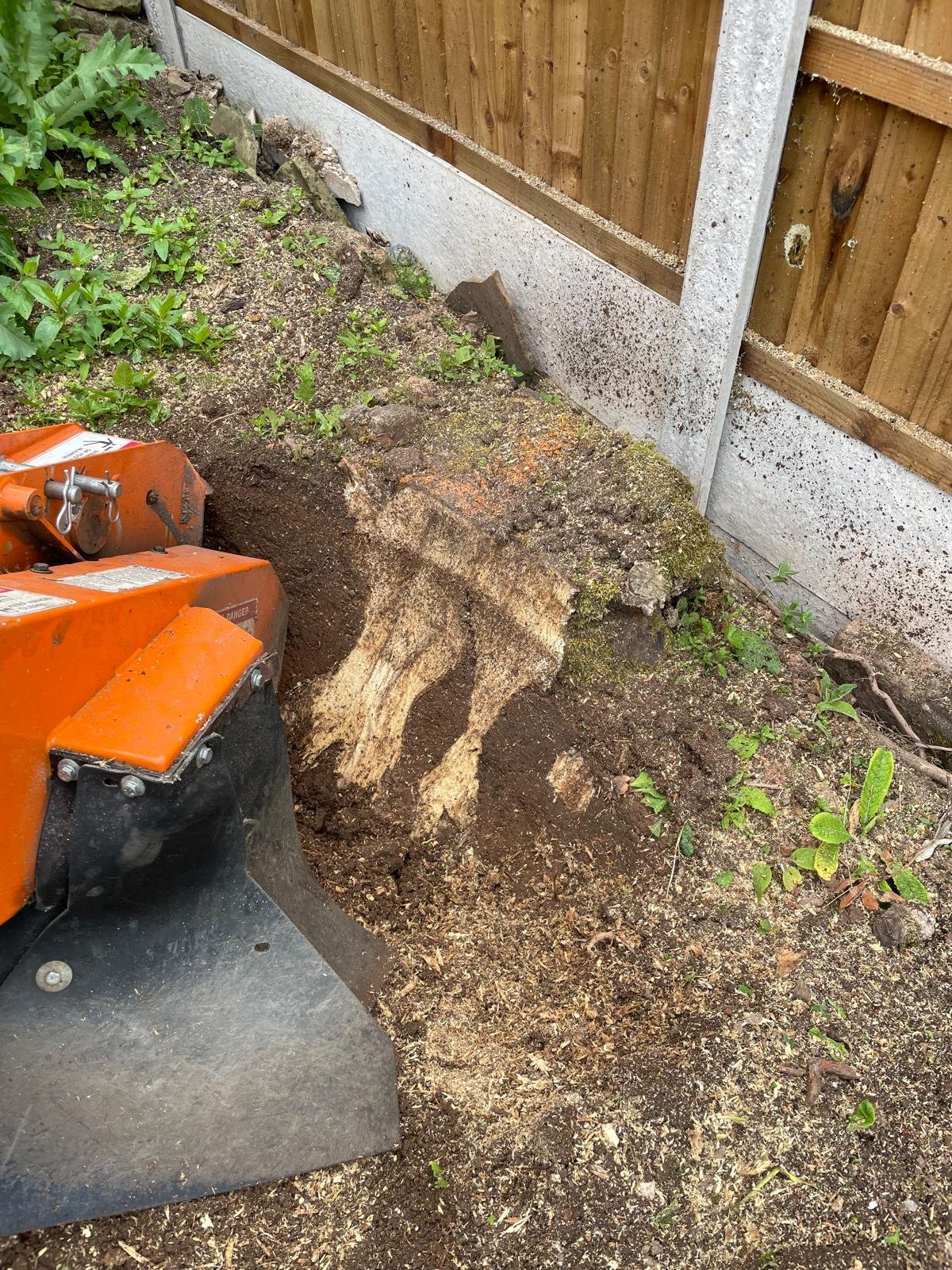
- Delivery: Safe, tidy tree surgery, documented waste recycling and optional stump grinding or extraction.
If you need a local expert, explore our regional pages for a tree surgeon in Loughborough, a tree surgeon in Grantham, a tree surgeon in Melton Mowbray or a tree surgeon in West Bridgford to see typical services and coverage.
- Local support: See our Loughborough tree care services.
- Grantham and nearby: Read about our Grantham tree care services and planning help.
- Stump services: Find options for tree stump grinding and clean reinstatement after felling.
Quick FAQ
- Which trees can be cut down without permission in the UK?
If a tree is not protected by a TPO and is not in a Conservation Area, you generally do not need council permission. In Conservation Areas, stems under 75 mm at 1.5 m are exempt, or 100 mm if thinning to benefit other trees. Wildlife protections still apply, so check for nesting birds and protected species.
- Can the council make you remove a tree?
Councils can require remedial works or replanting after unauthorised felling. They can also serve notices where a tree is dangerous to the highway. On development sites, planning conditions can require removal or retention as part of consent.
- How much can the fine be for cutting down a tree?
Unauthorised works on TPO trees or in Conservation Areas can lead to prosecution and substantial fines. In serious cases, fines can be unlimited in the Crown Court, and you can be required to plant a replacement.
- When should you cut a tree down?
When a competent arborist confirms it is dead, dangerous or beyond sustainable retention, or where approved for development. Sometimes phased pruning or reduction is the better option. Ask for a visual tree assessment first.
- What months can you not cut trees?
There is no blanket ban, but heavy pruning is best outside the bird nesting season and during dormancy where suitable for the species. Light maintenance can be possible year-round with checks. Always verify protections and ecology before work.
- What is the difference between a tree surgeon and an arborist?
In the UK, terms are often used interchangeably. Arborist emphasises the science of tree care and diagnosis. Tree surgeon often focuses on the practical delivery of pruning and removals. At Vale, work is led by an NPTC-certified arborist and delivered to BS3998.
Helpful local links
- If you need a local tree surgeon with planning expertise, start with our tree surgery page for a clear overview of services and standards.
- For hedge work alongside permissions planning, see our hedge cutting services.
- Planning felling followed by clean reinstatement or replanting, explore our stump grinding options.
Summary and next steps
Permissions need not be a hurdle. Check protection status early, plan works to BS3998 and document decisions. If a TPO application or Conservation Area notice is needed, allow 6 to 8 weeks. For urgent safety issues, record the risk and proceed proportionately.
Vale Estate Management handles surveys, applications, liaison with councils and compliant delivery across Leicestershire, Nottinghamshire and Lincolnshire. If you are unsure about a tree’s status or timing, book a visual assessment and we will advise the safest, most compliant route forward.